Six fates of one leaf
If you stood in a Chinese tea mountain in the southwest, you would notice something remarkable: the tea bushes covering the slopes look almost the same, but the same leaf plucked from them may end up as the freshness of Longjing, the delicacy of Silver Needle, the fragrance of Da Hong Pao, the sweetness of Keemun, or the depth of ripe pu-erh.
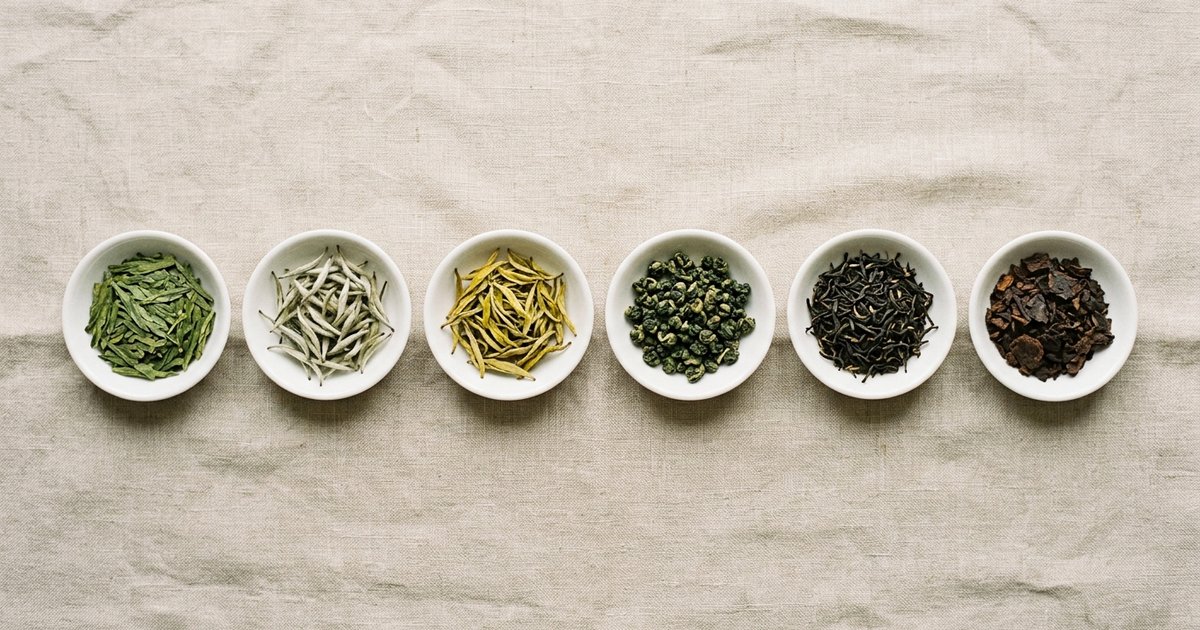
Chinese tea is divided into six families: green, white, yellow, oolong, red (black in the West), and dark[source:1]. The division is not by tea plant variety but by processing method. The key step is oxidation — called fermentation in much of the Chinese tea trade.
This article uses the line of oxidation to string the six families together.
Processing decides identity
All tea comes from the same plant: Camellia sinensis. What turns it into one tea or another is what people do to the leaf after picking.
Tea leaves contain an enzyme called polyphenol oxidase. Once the leaf is bruised and exposed to air, it slowly turns red and brown. The tea maker can stop this reaction with shaqing — a quick application of high heat — or allow oxidation to run, creating different flavors[source:2].
The six families, arranged from least to most oxidized:
Green tea < White tea < Yellow tea < Oolong tea < Red/Black tea < Dark tea
This is also the order in which liquor color moves from pale to deep.
Green tea
Green tea is China's largest and oldest tea family. Its core process is shaqing: after picking, the leaves are quickly heated by pan-firing or steaming to deactivate the oxidase enzyme and keep the leaf green[source:2].
The result is a pale green liquor, fresh aroma, and brisk taste with the scent of spring vegetation.
Representative teas: Longjing, Biluochun, Huangshan Maofeng, Xinyang Maojian.
Best for: people who like light flavors and fear bitterness; especially refreshing in summer.
White tea
White tea has the simplest processing of the six families. After picking, it only needs withering and drying, often simply left to dry in the sun[source:2].
Because there is no high-heat shaqing, the leaves undergo slight oxidation, but very little. White tea liquor is pale yellow or apricot, the taste sweet and gentle, with faint floral and downy aromas.
Representative teas: Silver Needle, White Peony, Shoumei.
Best for: people who like light, sweet, mellow liquor; very friendly to new tea drinkers.
Yellow tea
Yellow tea is close to green tea but adds a "sealed yellowing" step: after shaqing, the leaves are covered with paper or cloth and allowed to oxidize slightly in a warm, humid environment, turning both leaf and liquor yellow[source:2].
Yellow tea is rare and difficult to make, one of the smaller niches in Chinese tea. Its taste is more mellow than green tea, less grassy, more sweet and rounded.
Representative teas: Junshan Yinzhen, Mengding Huangya, Huoshan Huangya.
Best for: people who want a flavor between green tea and oolong.
Oolong tea
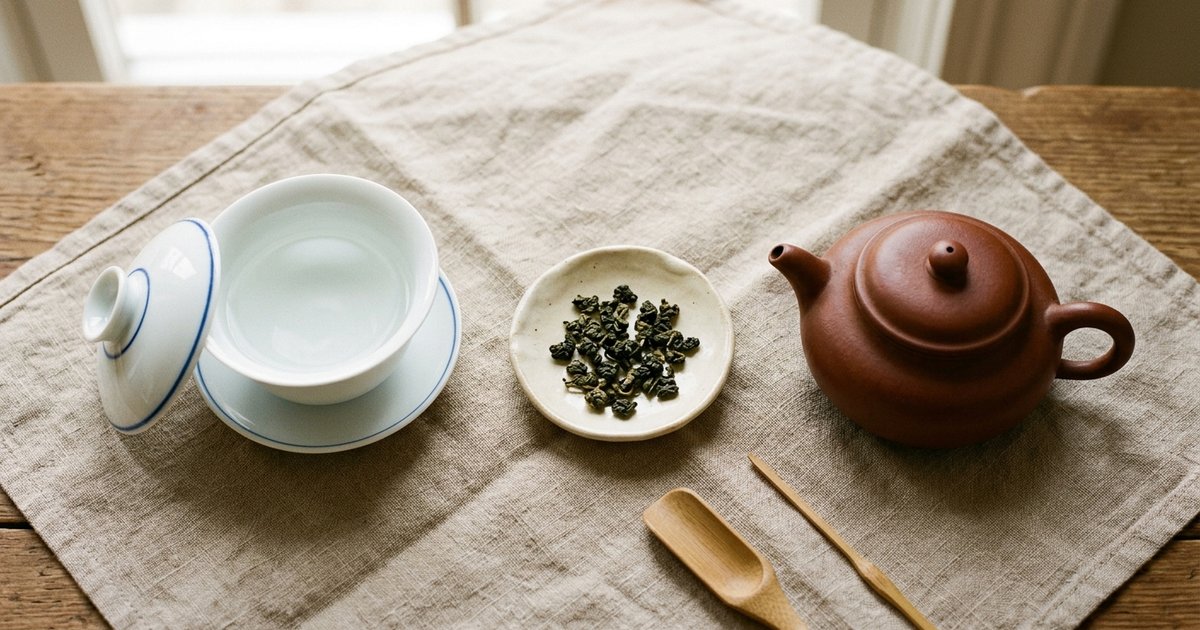
Oolong, also called qing tea, is the family most used in Gongfu Cha. Its oxidation ranges from 20% to 70%, and its processing is the most complex: withering, shaking, shaqing, rolling, and roasting, with each step shaping the final aroma[source:2].
Oolong spans a huge flavor range. Fragrant Tieguanyin is as fresh as green tea; roasted Tieguanyin and rock tea show clear roast notes; Phoenix Dancong is famous for floral fragrance and is called "perfume in tea"[source:3].
Representative teas: Tieguanyin, Da Hong Pao, Phoenix Dancong, Dongding Oolong.
Best for: people who enjoy rich aroma and are willing to spend time brewing; most Gongfu Cha lovers start here.
Black tea
What Chinese calls hong cha (红茶, "red tea") is called black tea in English because the dried leaf and infused leaf are dark. Its defining trait is full oxidation: after picking, the leaves are fully withered and rolled so they turn completely red before drying[source:2].
Oxidation converts tea polyphenols into theaflavins and thearubigins, giving a bright red liquor, sweet mellow taste, and low astringency. Black tea is also the most consumed tea family worldwide; English afternoon tea is basically black tea.
Representative teas: Keemun, Dianhong, Lapsang Souchong.
Best for: people who like a sweet, rounded taste and do not mind adding milk or sugar.
Dark tea
Dark tea differs from the other families in "post-fermentation": it does not rely on the leaf's own enzymes for oxidation after picking, but on microbes that slowly transform it during storage[source:2].
Pu-erh is the classic dark tea. A young ripe pu-erh may have a pile-fermentation note, but after a few years of storage the liquor becomes thick, smooth, and woody, with medicinal and aged aromas. Good old pu-erh can rise sharply in price with age.
Representative teas: Ripe pu-erh, Anhua dark tea, Liu Bao tea.
Best for: people who like a thick, mellow liquor and are willing to store tea and wait; also good after a heavy meal.
Comparison table
| Family | Oxidation | Liquor color | Typical aroma | Representative teas |
|---|---|---|---|---|
| Green | None | Pale green / yellow-green | Fresh, bean, chestnut | Longjing, Biluochun |
| White | Very slight | Pale yellow / apricot | Downy, floral, honey | Silver Needle, White Peony |
| Yellow | Slight | Yellow-green / apricot | Sealed-yellow, sweet | Junshan Yinzhen, Mengding Huangya |
| Oolong | Partial | Golden / orange | Floral, fruity, roasted | Tieguanyin, Da Hong Pao, Phoenix Dancong |
| Red/Black | Full | Bright red | Sweet, honey, potato | Keemun, Dianhong |
| Dark | Post-fermented | Red-brown / deep brown | Aged, woody, medicinal | Ripe pu-erh, Liu Bao |
Know the family, find your tea
The six families are not six different teas. They are six different lives of the same leaf. Once you understand oxidation as the core variable, you will no longer be confused by questions like "Is Da Hong Pao a black tea?" or "Is pu-erh a dark tea?"
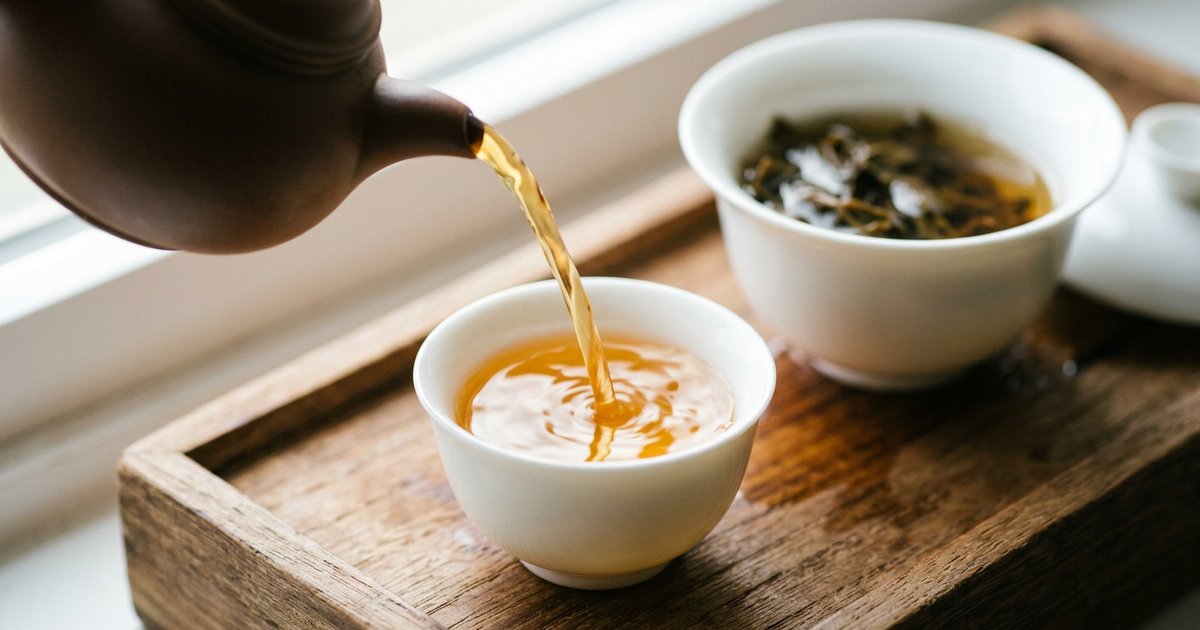
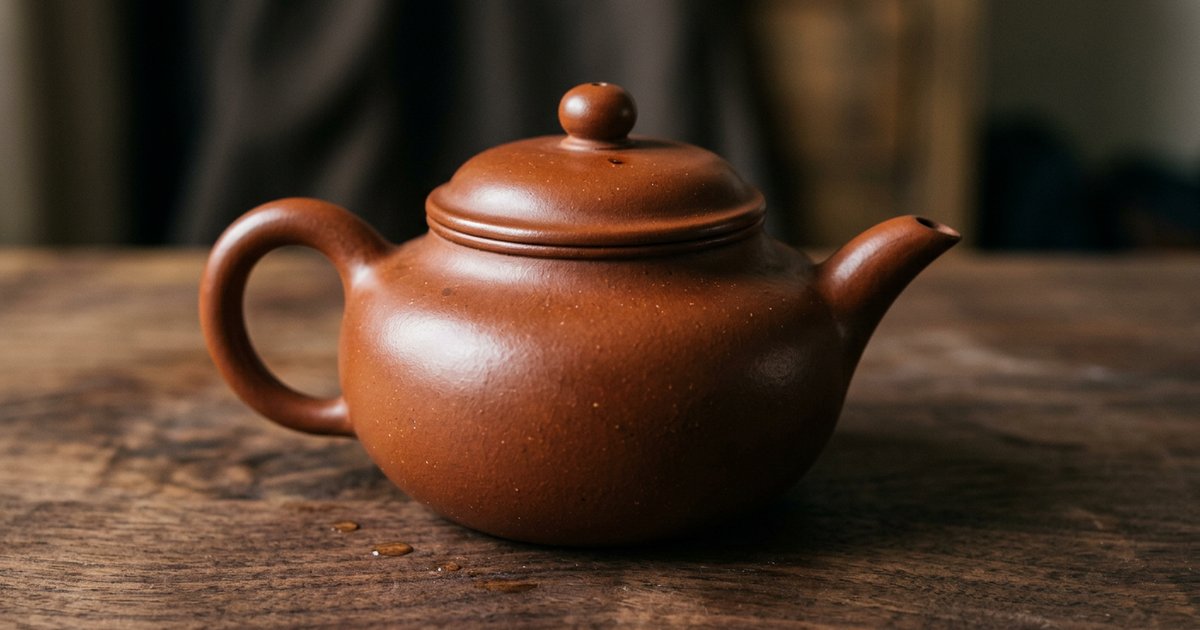
If you want to start with Gongfu Cha, begin with oolong: it has the richest aroma and holds up to many infusions; one small pot of leaves can last more than ten rounds[source:3]. Once you understand oolong, go back and taste the freshness of green tea, the delicacy of white tea, and the depth of dark tea. You will find the world of Chinese tea is wider than you imagined.