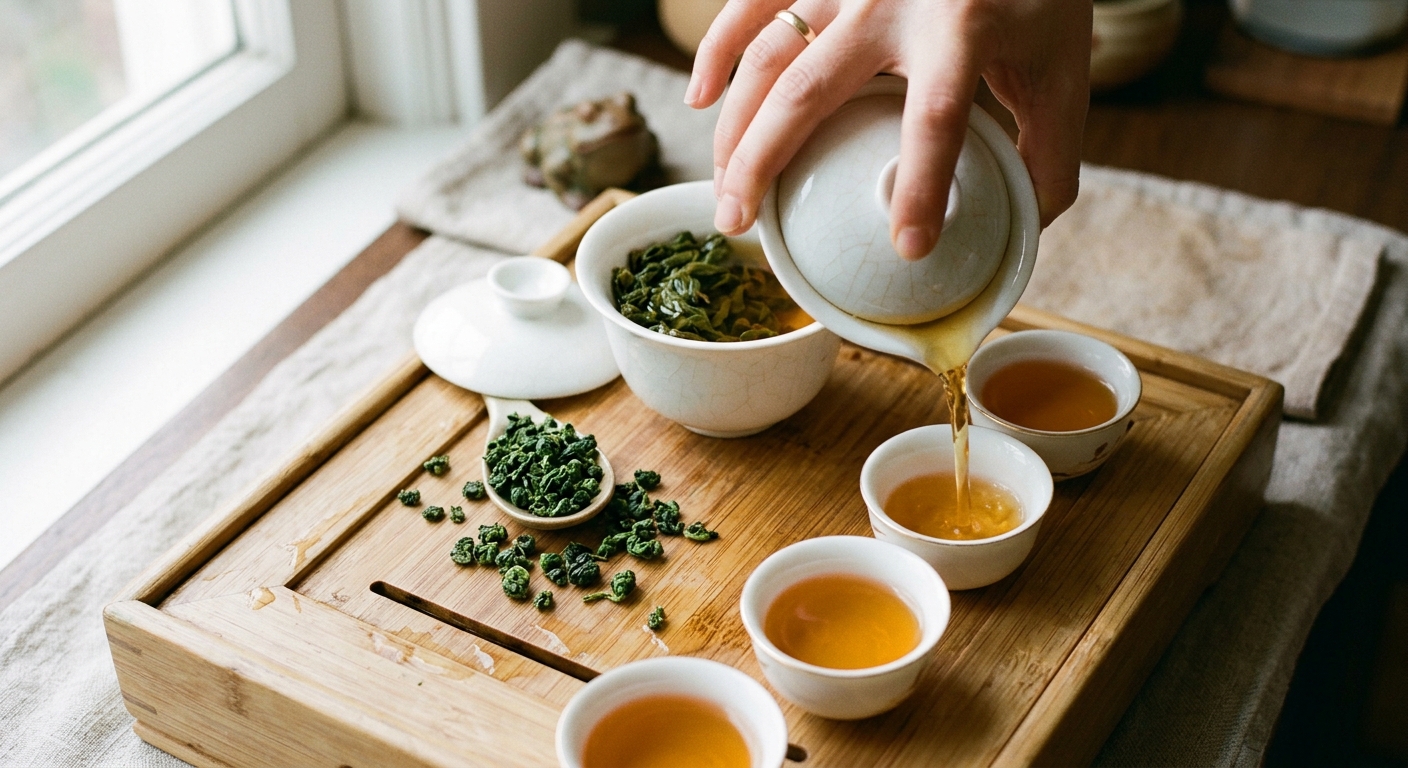
What is Tieguanyin, and why brew it Gongfu style?
Tieguanyin is a ball-rolled oolong from Anxi County in southern Fujian. Its name points to two things the tea is famous for: tie, "iron," because the dried leaves are dark, firm, and heavy; and Guanyin, the Buddhist bodhisattva of compassion, because the finished tea is said to carry a serene, graceful presence[source:1]. When you open a good bag of Tieguanyin, the tiny jade-green pellets rattle like beads and smell of fresh orchids and cream.
The Anxi tea tradition runs deep. Local records trace tea growing there to the late Tang dynasty, and by the Qing dynasty the region's tea was so prized that it earned imperial attention[source:1]. Today, Anxi Tieguanyin is protected as a geographical indication product, and the craft of making it was listed among China's national intangible cultural heritage projects before becoming part of the UNESCO-recognized "Traditional Chinese Tea-making Techniques and Related Customs"[source:3]. That is a long way of saying: this is not just another floral oolong. It is a tea with a homeland and a history.
Brewing Tieguanyin Gongfu style is the simplest way to meet it on its own terms. The small pot or gaiwan, the high pour, the short steep, and the tiny cup all serve one purpose: to coax out the layers of aroma and the elusive "Guanyin yun" — the lingering, resonant finish that separates good Tieguanyin from great[source:2][source:3].
The right tools for brewing Tieguanyin
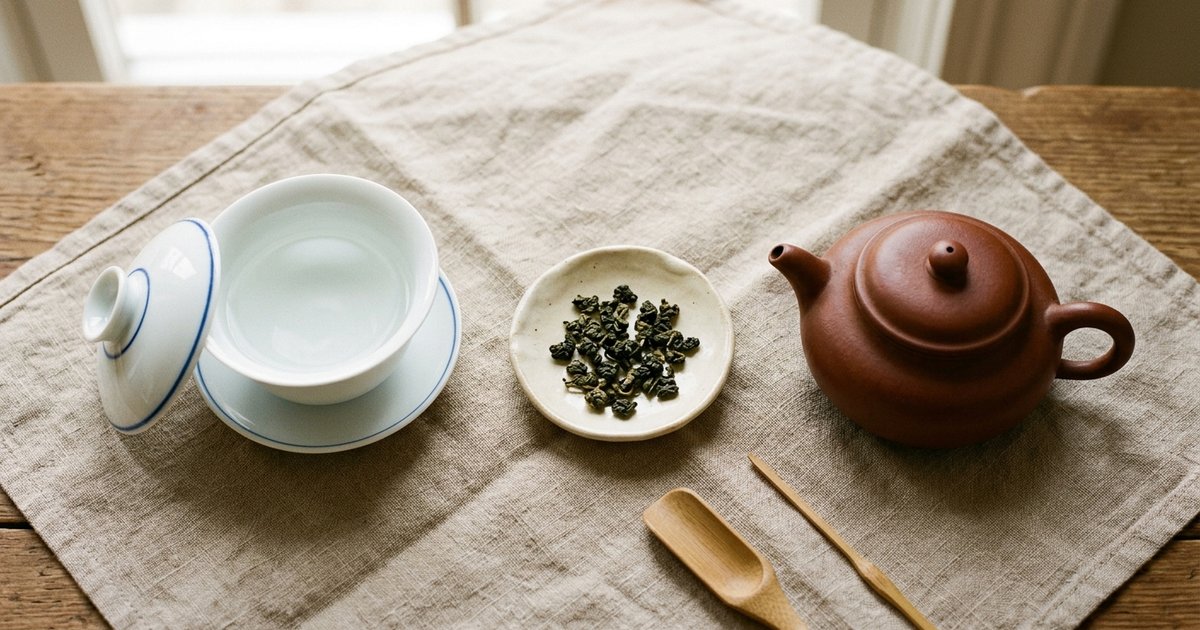
You do not need much. A few reliable pieces make the experience calmer and the tea better.
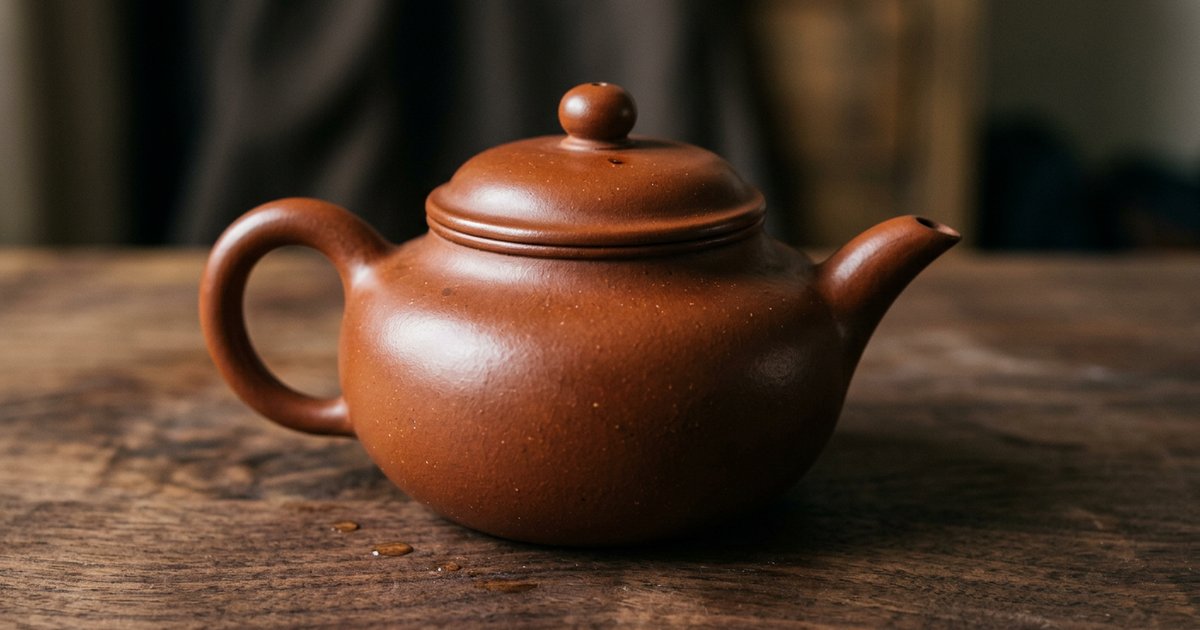
- Gaiwan or small teapot: A 100–120 ml white porcelain gaiwan is ideal for beginners because it shows leaf color and releases aroma cleanly. A small Yixing pot is wonderful if you already own one and dedicate it to oolongs.
- Fair pitcher (gongdao bei): Pour every infusion into a pitcher before serving so each guest gets the same strength.
- Small cups: 30–50 ml tasting cups keep the tea warm and encourage you to sip slowly.
- Kettle with temperature control: Near-boiling water is standard, so a variable kettle helps, especially for lighter styles.
- Scale and timer: Tea and time are the two variables you actually control. A small scale removes guesswork.
If you are new to Gongfu brewing, our guides to the gaiwan versus teapot and the one-tea-one-pot rule for Yixing will help you choose your first vessel.
Water, temperature, and leaf ratio
Tieguanyin is generous with leaf. Use about 5–7 g of tea per 100–120 ml of water. If you are using a small gaiwan, start with 6 g and adjust to taste. The tightly rolled leaves look small in the vessel, but they will unfurl into surprisingly large leaves.
Water temperature depends on style:
- Light, floral Tieguanyin (qing xiang): 90–95 °C (194–203 °F). Too hot can scorch the delicate top notes.
- Traditional or medium-roast Tieguanyin: 95–100 °C (203–212 °F). The roast needs heat to open.
- Deep-roasted Tieguanyin (nong xiang): full rolling boil, 100 °C (212 °F). The heavier body can take it.
Use fresh, filtered water. Hard water dulls the high notes; distilled water can leave the tea flat. If your tap water tastes good, it will probably taste good in tea.
Step-by-step: how to brew Tieguanyin
- Warm the vessel. Rinse the gaiwan or pot and cups with hot water. This prevents the first infusion from cooling too quickly.
- Add the leaves. Drop the measured tea into the warm gaiwan. Pause and smell the dry leaf: you should get orchid, cream, or a faint toastiness.
- The rinse. Pour hot water over the leaves just until covered, then immediately pour it out. This wakes the leaves and cleans surface dust. Some drinkers save the rinse to warm the cups; others discard it.
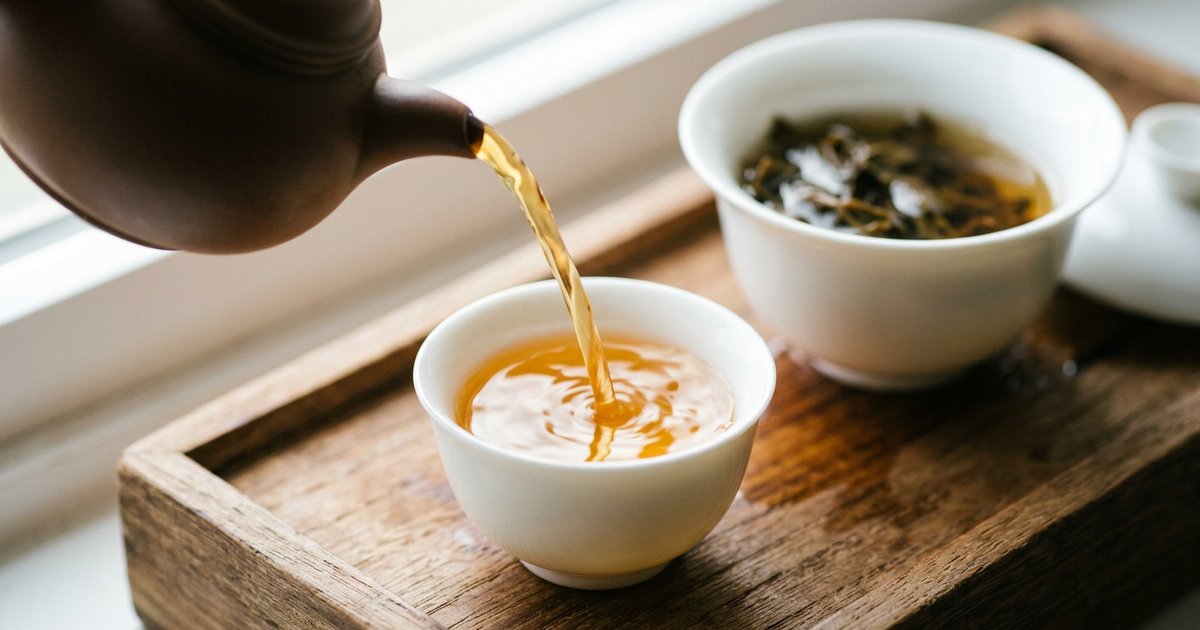
- First infusion. Pour in a high, thin stream — the classic "suspended pot, high rush" motion you see in Fujian Gongfu demonstrations[source:2]. Fill to the rim. Cover and steep 20–30 seconds for light styles, 10–20 seconds for tightly rolled high-aroma teas, or 30–40 seconds for roasted styles.
- Pour fully. Decant every drop into the fair pitcher. Leaving water on the leaves makes the next steep bitter.
- Serve and smell the lid. Before sipping, lift the gaiwan lid and inhale. The lid holds the purest aroma of the infusion.
Repeat, adding roughly 5–10 seconds to each steep. Once the leaves are fully open, you can steep longer — 45 seconds to over a minute — depending on how the tea responds.
Reading the cup: orchid fragrance and Guanyin yun
Tieguanyin is famous for two signatures: lan hua xiang (orchid fragrance) and Guanyin yun (Guanyin rhyme)[source:3]. The first is easy to recognize — a clear, fresh floral note, sometimes with a touch of gardenia or magnolia. The second is subtler. It is the soft, lasting aftertaste that stays in the throat and seems to lift after you swallow, a gentle echo rather than a sharp finish.
When you taste, sip a small amount and let it roll across your tongue. Ask yourself:
- Is the aroma clean or muddy?
- Is there sweetness at the front, middle, or back of the sip?
- Does the flavor fade quickly, or does it linger and change?
If you want to train your palate, our how to taste tea guide breaks down body, sweetness, astringency, and finish in more detail.
Stretching the leaves across multiple infusions
This is where Tieguanyin earns its reputation. A single serving of leaves can yield six to ten infusions, sometimes more. The flavor journey usually moves like this:
| Infusion range | What to expect |
|---|---|
| 1–2 | Bright orchid, light cream, a little astringency |
| 3–5 | Full body, balanced sweetness, the clearest Guanyin yun |
| 6–8 | Softer, nuttier, sometimes honey or ripe fruit |
| 9+ | Delicate, sweet water; long-steep for the last drops |
The third or fourth infusion is often the peak — the leaves have fully opened, the heat has penetrated to the center, and the fragrance and body are in balance. Do not rush. Gongfu Cha is partly about paying attention to how a tea changes when you give it time.
Light, medium, and roasted Tieguanyin
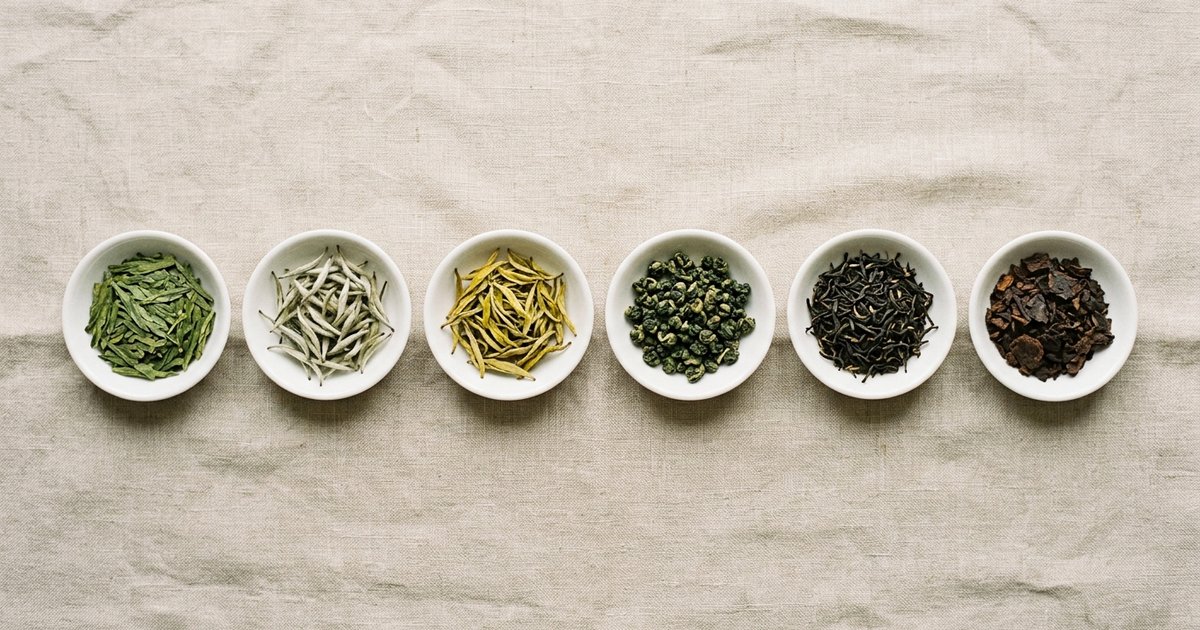
Not every Tieguanyin tastes the same. The main styles sit on a roast spectrum:
- Light / Qing xiang: Greenish, tightly rolled, intensely floral. Brew with slightly cooler water and shorter first steeps. Best for people who love perfume and brightness.
- Traditional / Medium roast: More golden liquor, rounder body, orchid notes joined by baked grain and stone fruit. This is the style many Anxi families drink daily.
- Deep roast / Nong xiang: Darker leaves, amber liquor, pronounced caramel and toasted nut flavors. Use boiling water and longer early steeps.
Light styles emphasize the fresh, green side of the leaf; roasted styles emphasize the transformations brought by heat and time. Both are valid. Let your own palate decide.
Common mistakes and quick fixes
| Problem | Likely cause | Fix |
|---|---|---|
| Bitter, harsh tea | Too hot, too long, or too much leaf | Lower water temp slightly, shorten steep time, or reduce leaf |
| Thin, watery tea | Not enough leaf or water too cool | Add 1–2 g leaf, or raise temperature |
| Sour or flat taste | Water left on leaves between steeps | Pour out every drop; do not let leaves sit in water |
| No aroma after a few steeps | Leaves not opening fully | Try a longer rinse or slightly longer first steep |
| Astringency that scrapes the tongue | Over-steeping while leaves are still opening | Reduce time on early infusions |
If the tea still tastes wrong after three adjustments, check the water. Bad water can hide a good tea better than almost anything else.
A short buying checklist
Look for these signs when choosing Tieguanyin:
- Origin: Anxi County, Fujian. Genuine Anxi Tieguanyin carries geographical indication protection[source:3].
- Leaf appearance: Tightly rolled, uniform pellets with a fresh green or dark green color depending on roast.
- Aroma: Clean orchid fragrance; no mustiness, smoke, or chemical perfume.
- Finish: A sweet, lingering aftertaste is the best indicator of quality.
- Harvest season: Spring Tieguanyin (around April–May) is generally the most prized; autumn harvests can also be excellent and more affordable.
Buy small amounts first. Tieguanyin is best enjoyed within a year or two for light styles, while roasted styles can age gently.
One tea, many rounds
Learning how to brew Tieguanyin is less about chasing perfection and more about showing up for each infusion. The tea asks for hot water, good attention, and a little patience. In return it offers orchid fragrance, a silky body, and that quiet Guanyin yun that can turn a rushed afternoon into a slower one.
Start with a small gaiwan, 6 g of leaves, and a timer. Brew the first cup for twenty seconds. Smell the lid. Sip small. Then do it again. By the third or fourth round, you will understand why this Fujian oolong has been revered for centuries — and why the next round is always worth waiting for.
Sources and Further Reading
- Oolong Tea Processing Skills (Tieguanyin Processing Skills) — China Intangible Cultural Heritage Network
- Fujian Tea Along the Maritime Silk Road — Fujian Provincial People's Government
- Traditional Chinese Tea-making Techniques and Related Customs Inscribed on UNESCO Heritage List — Quanzhou Municipal People's Government
- Anxi County Government Notice on Formulating Local Standards for Tieguanyin Brewing and Tasting Methods — Quanzhou Municipal People's Government