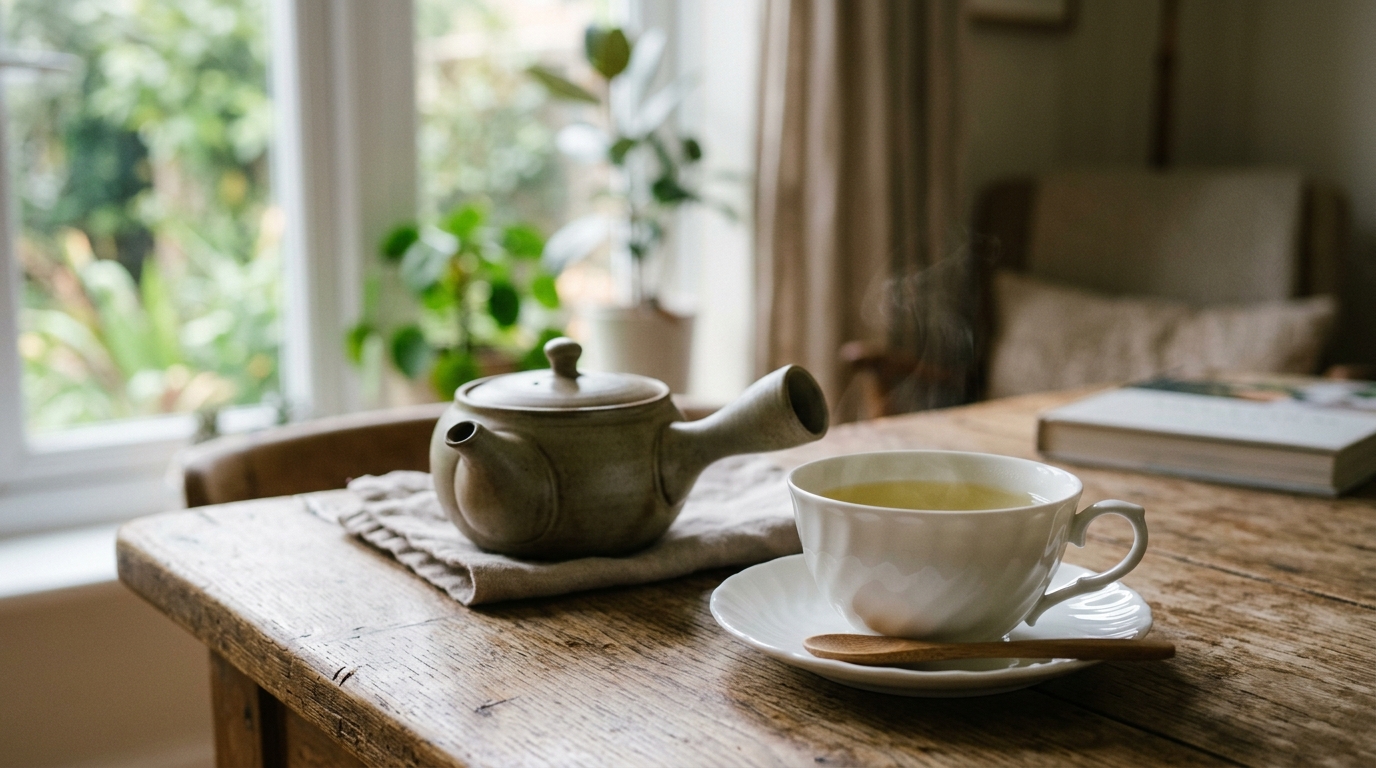
Tea and Health: How to Drink Tea Without Harming Yourself
Tea is one of the safest, most studied beverages in the world. It can refresh the mind, aid digestion, and offer a calm moment in a busy day. But in traditional Chinese medicine, tea is not treated as a universal health tonic. It is cooling, descending, and diuretic. That means the same cup that clears heat from a stressed office worker can chill the stomach of someone who is already cold and tired. Drinking tea well is less about finding the "best" tea and more about matching the tea to the person, the time, and the situation.
Tea as medicine, tea as habit
The Chinese have been drinking tea for more than two thousand years, and for most of that time they understood it as a medicine as well as a pleasure. Li Shizhen, the Ming dynasty physician who compiled the Compendium of Materia Medica, wrote that tea "removes vexation and greasiness" and can make the spirit clear and alert. He also warned that it "secretly harms people" when used wrongly — especially on an empty stomach, in cold form, or by those with weak digestion.
Modern research agrees in broad strokes. Tea contains caffeine, theanine, and polyphenols that can support alertness, metabolism, and cardiovascular health. But caffeine can disturb sleep, tannins can reduce iron absorption, and strong tea can irritate the stomach. The question is not whether tea is healthy. It is whether this tea, in this amount, at this time, is healthy for you.
Know your constitution
In Chinese medicine, people are loosely classified by their thermal balance. Some run hot; some run cold. Tea can tip that balance.
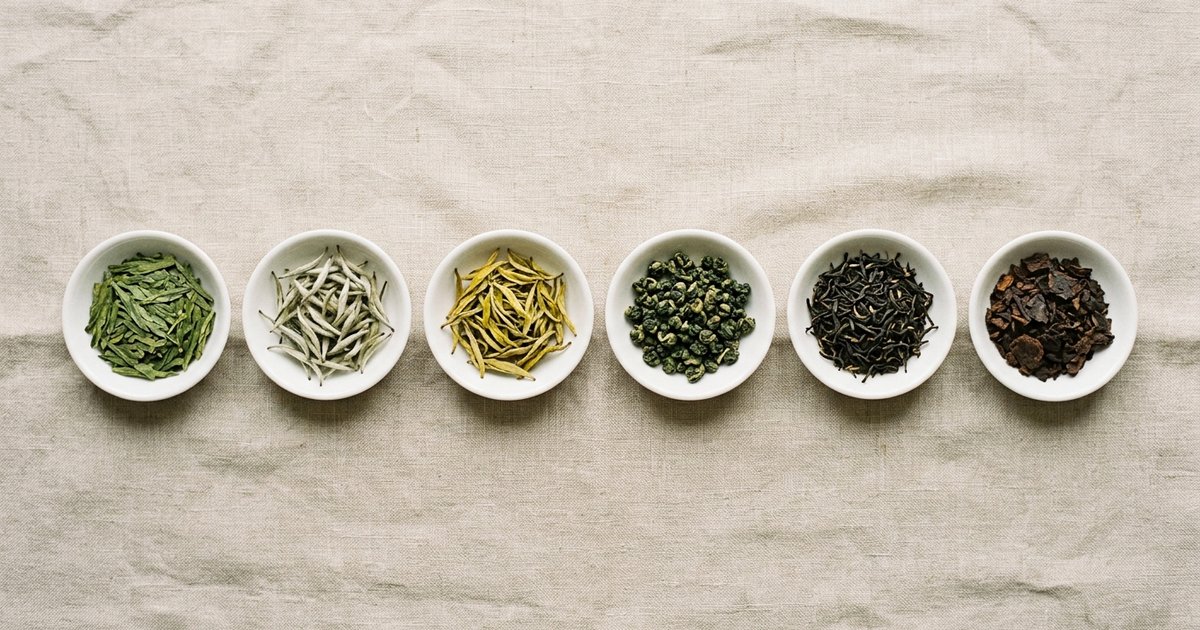
Green tea and white tea are cooling. They suit people who feel hot, have a flushed face, strong digestion, and a tendency toward irritability. Summer is their natural season. If you drink green tea and feel nauseous, get loose stools, or feel cold in the stomach, your constitution is probably too cold for it.
Oolong tea sits in the middle. It is partially fermented, so it is warmer than green tea but still fresh and aromatic. It is the traditional tea of Gongfu Cha and suits a wide range of people.
Black tea (red tea in Chinese) and dark tea such as pu-erh are warming. They support digestion, warm the stomach, and are better choices in winter or for people with cold hands, weak appetite, or loose stools. Aged ripe pu-erh is especially gentle on the stomach.
Flower teas such as jasmine, rose, and chrysanthemum tend to be dispersing. They can release heat and tension, but people with weak qi or blood deficiency should not drink them every day.
The daily tea schedule
The National Administration of Traditional Chinese Medicine suggests thinking of the day as three cups of tea.
Morning tea, between 8:30 and 9:30 a.m., is for waking up. Use about 3 grams of leaf in 200 ml of water. A green or lightly oxidized oolong works well. The moderate caffeine clears morning fog without the jitters of coffee.
Afternoon tea, between 2:00 and 3:00 p.m., can be slightly stronger. Use 4 grams in 180 ml. An oolong or black tea supports circulation and helps the body process a midday meal. Drink it slowly, sip by sip, rather than finishing it in one go.
Evening tea, between 6:00 and 7:00 p.m., should be light. Use only 2 grams in 150 ml and choose a low-caffeine or aged tea if you are sensitive. After 9:00 p.m., it is better to stop. Caffeine has a long half-life, and even people who think tea does not affect them often sleep more lightly because of it.
What each tea family does
| Tea family | Fermentation | Thermal nature | Best for | Caution |
|---|---|---|---|---|
| Green | None | Cooling | Heat, summer, alertness | Weak stomach, anxiety, insomnia |
| White | Minimal | Cooling to neutral | Mild heat, gentle refreshment | Very cold constitutions |
| Oolong | Partial | Neutral to warm | Digestion, aroma, daily drinking | Stronger varieties can be stimulating |
| Black / red | Full | Warm | Cold digestion, winter, morning | Can be too warming for hot constitutions |
| Dark (pu-erh) | Post-fermented | Warm | Digestive support, heavy meals | Very strong aged teas can be stimulating |
This table is a starting point, not a prescription. Your own response is the final test.
When not to drink tea
There are times when tea does more harm than good.
On an empty stomach. Tea stimulates acid secretion and can make you nauseous or dizzy. The classic TCM phrase is that empty-stomach tea "invites the thief into the house." Eat something first.
Late at night. Even if you fall asleep easily, caffeine and theanine can reduce sleep quality.
During illness. Tea is diuretic and cooling. When you are fighting a cold, fever, or digestive upset, plain warm water or a doctor's recommendation is usually better.
With medication. Tea can interfere with the absorption of iron and some medicines. If you are taking Chinese herbal medicine, your practitioner will almost certainly tell you to avoid tea during treatment.
Pregnancy and childhood. Pregnant women are generally advised to limit tea because of its downward, diuretic nature. Children have developing digestive systems and are usually better off without caffeine.
Cold tea, strong tea, and overnight tea
Three common habits turn a healthy drink into a problem.
Cold tea. The Compendium of Materia Medica warns that cold tea "congeals phlegm." In modern terms, cold tea is harder on digestion and loses much of its aromatic benefit. Tea is meant to be drunk warm.
Strong tea. A thick brew is not stronger medicine; it is just more caffeine and tannins. Habitual strong tea can contribute to mineral loss and stomach irritation. If the liquor looks dark brown and tastes bitter, use less leaf or shorter steeps.
Overnight tea. Leaving tea exposed to air for hours allows oxidation and bacterial growth. It also tastes flat. Brew fresh when you can.
How to build a healthy tea habit
- Start with one tea. Do not buy ten varieties. Buy one good oolong or one good black tea and learn how it makes you feel.
- Drink it warm. Let it cool to a comfortable temperature, not cold.
- Pay attention to timing. Morning and afternoon are usually fine; evening depends on your sensitivity.
- Notice your body. If a tea gives you a headache, palpitations, stomach pain, or poor sleep, it is not the right tea for you right now.
- Keep it light. Better to drink several mild infusions than one harsh, over-brewed cup.
Frequently asked questions
Can tea help me lose weight? Tea can support metabolism, but it is not a weight-loss drug. The catechins in green tea and the fermentation products in pu-erh have been studied for metabolic effects, but results are modest. Do not replace meals with tea.
Is green tea the healthiest tea? Only if your constitution suits it. For someone with a cold, weak stomach, green tea can be the least healthy choice.
Does tea dehydrate you? No. Despite its diuretic effect, the water in tea still contributes to hydration. But it should not be your only source of fluids.
Can I drink tea instead of water? Not ideally. Tea contains caffeine and tannins that plain water does not. Use tea as a flavored supplement, not a total replacement.
What is the safest tea for beginners? A lightly roasted oolong or a mild black tea is usually the safest starting point. They are aromatic, forgiving, and less likely to upset the stomach than strong green tea or heavy pu-erh.